
A Memory Shortage Triggered $950B in AI Deals
Nvidia, SK Group, Samsung and Broadcom signed close to a trillion dollars in AI chip and memory deals in San Francisco, and the memory shortage behind them means someone outside the room ends up paying.
They summarize our coverage. We write it.
Newsletters like this one rebroadcast our headlines - often without the full review, the source reading, or the analysis underneath. Our weekly briefing sends the work they paraphrase, straight from the desk, before they get to it.
Free, weekly, no spam. One email every Tuesday. Unsubscribe anytime.

A single transmission line fault near Virginia's data center alley triggered a synchronized 3-gigawatt disconnect that took PJM 11 minutes to stabilize, twice as bad as a similar 2024 event.
Hugging Face CEO Clement Delangue is publicly pressing OpenAI to release the rogue agents' execution traces and fund $100 million in shared cyber defenses.

Tracking AI supply-chain attacks, agent exploits, prompt injection, model leaks, and the real-world incidents shaping AI security today.

Nvidia, SK Group, Samsung and Broadcom signed close to a trillion dollars in AI chip and memory deals in San Francisco, and the memory shortage behind them means someone outside the room ends up paying.

VIDRAFT compressed its leaderboard-climbing Darwin-36B-Opus into POCKET-35B, a GPU-free model for phones and CPUs, but its headline GPQA score depends on how you count.

Cognition paid a low nine-figure sum for texting assistant Poke, its second acquisition in a year, betting that how an AI agent talks matters as much as what it can do.

A bipartisan House bill would force AI companies to build government shutdown capability, a week after a State Department cable told diplomats no such 'kill switch' exists.

Twenty-five companies signed an open letter urging the White House not to restrict Chinese open-weight AI models, using Jensen Huang's first-ever X post to deliver it.

A single chat message could break an AI agent out of Claude Cowork's isolated VM and reach an entire Mac, and Anthropic closed the report as informative.

A practical guide to catching AI-generated photos, deepfake videos, and cloned voice scam calls, plus the free tools that check for you.

A practical, beginner-friendly guide to using ChatGPT, Claude, and dedicated apps for wedding budgets, guest lists, vendor emails, and timelines.

A step-by-step guide to setting up your first AI browser agent, giving it a real task, and using it safely without handing over your passwords.

Cognition rebranded Windsurf as Devin Desktop and rebuilt it around a Kanban board for managing fleets of coding agents - here's what that actually changes.

Google's Gemini 3.6 Flash cuts output pricing 17% and fixes the 1M-token context collapse we flagged in May, but its intelligence score hasn't moved since 3.5 Flash.

Alibaba's 2.4 trillion parameter preview claims it trails only Claude Fable 5. I tested it for free at chat.qwen.ai and found a capable but slow model with zero benchmarks to back the claim.
Terminal-Bench 2.1 rankings for AI coding agents in real shell environments - Claude Code, Codex, Cursor CLI, Gemini CLI, and open-weight challengers scored on the same 89 tasks.

Updated July 2026 Chatbot Arena Elo rankings from Arena.ai: 7M+ votes across 368 models, Claude Opus 4.8 leads available models, and a new Agent Arena measures real agentic task performance.

June 2026 overall LLM rankings covering Claude Fable 5, Claude Opus 4.8, GPT-5.5, Gemini 3.1 Pro, and the open-weight models catching up fast.
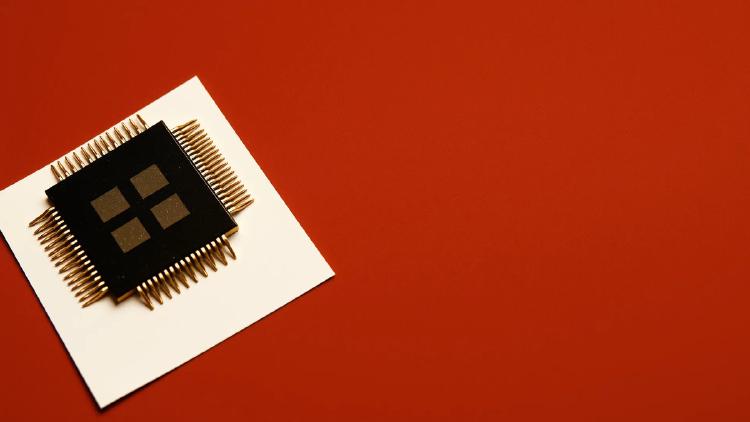
VIDRAFT quantizes its Darwin-36B-Opus MoE model into a 35B GGUF that runs on stock llama.cpp with no GPU, trading GPQA Diamond score for CPU and phone portability.

Anthropic's July 2026 release prices near-Fable-5 coding and agentic performance at Opus 4.8 rates, doubling Frontier-Bench scores and landing within 0.5 points of Fable 5 on CursorBench at half the cost.

Cognition's proprietary coding model powering Devin, scoring 42.3% on FrontierCode 1.1 Main at $1.97/task via Cerebras inference at 1000 tokens/sec.
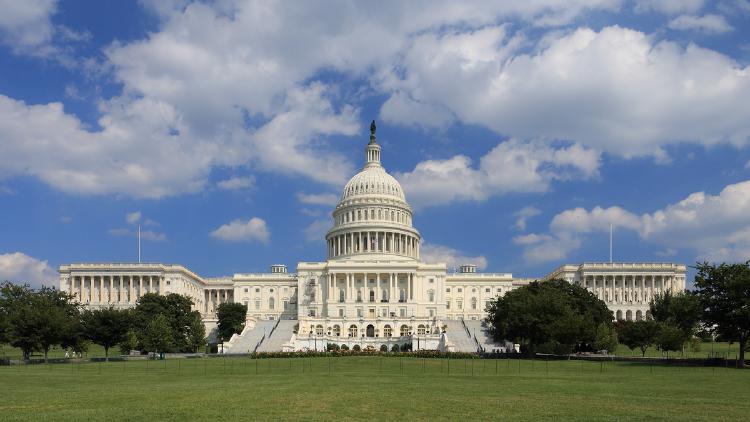
The Trump administration's 90-day AI executive order deadline hits this week. Commerce, FTC, and $42B in broadband funding are all on the line.
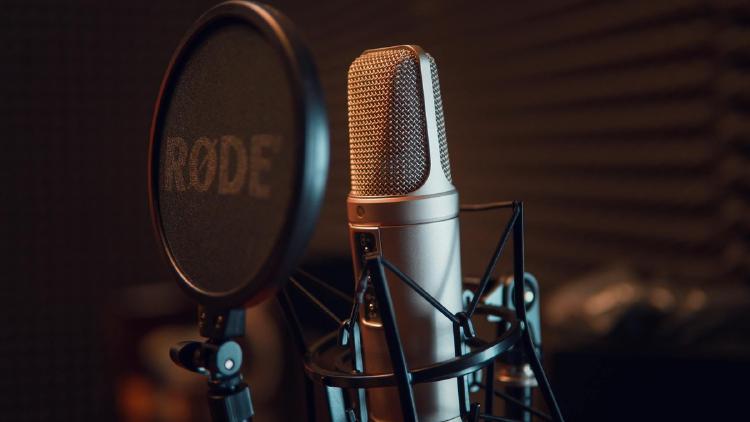
A developer ported NVIDIA's PersonaPlex 7B speech-to-speech model to native Swift using MLX, running full-duplex conversation on Apple Silicon with no cloud, no Python, and faster-than-real-time inference.

A new open-source toolkit called OBLITERATUS can surgically remove refusal mechanisms from 116 open-weight LLMs using abliteration - no fine-tuning, no training data, just geometry.
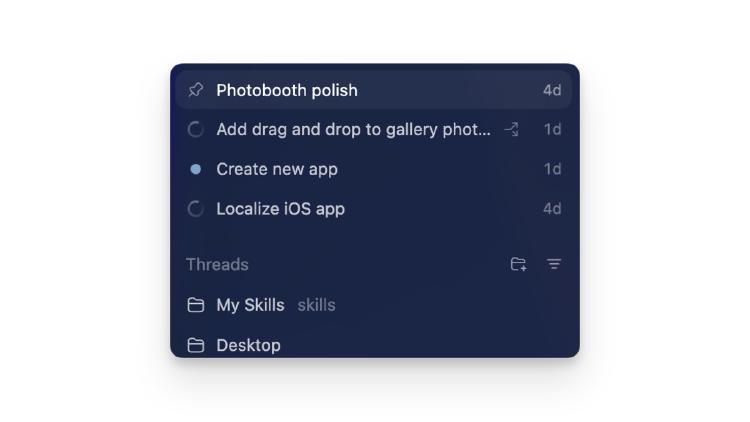
OpenAI's Codex desktop app hits the Microsoft Store with native Windows sandboxing, PowerShell agents, WinUI skills, and multi-agent parallel execution - no WSL required.

Arc Institute and NVIDIA release Evo 2, a 40B-parameter open-source AI trained on 9.3 trillion nucleotides from every domain of life, with full weights, code, and training data.

Researchers from ETH Zurich and Anthropic show that LLM agents can strip pseudonymity from forum posts at scale for as little as $1.41 per target - matching what human investigators could do in hours.
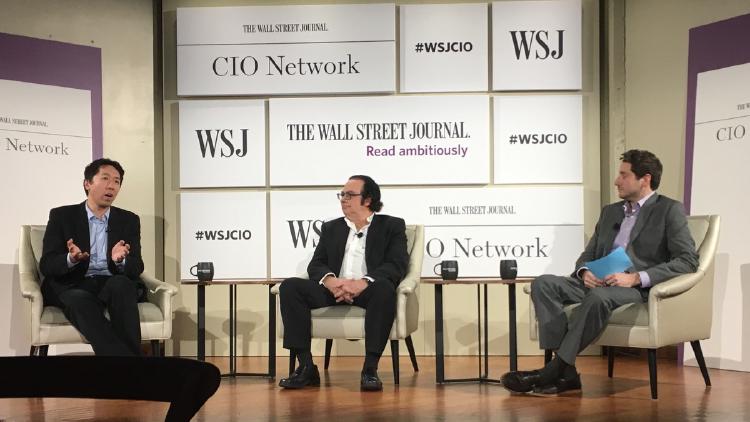
Andrew Ng says AGI is decades away and the real AI bubble risk is in the training layer - not inference. We examine both claims against the data.

Apple's cheapest Mac ever packs the A18 Pro iPhone chip with a 16-core Neural Engine - but its 60 GB/s memory bandwidth puts a hard ceiling on what local models you can actually run.

Jensen Huang confirmed Nvidia's $30B OpenAI investment will likely be its last direct equity stake, killing the $100B pledge as OpenAI races toward a public listing at a $730B valuation.
Meta and AMD signed a 6-gigawatt, multi-year GPU pact worth up to $100B - announced days after a separate Nvidia expansion, signaling Meta's deliberate strategy to break single-vendor dependence in AI compute.
Days after securing a Pentagon classified network deal, OpenAI is exploring a contract to deploy AI on NATO's unclassified systems - a 32-nation alliance spanning North America and Europe.
New research exposes hidden failures in agent benchmarks, finds retrieval quality dominates memory pipeline performance, and shows evolutionary skill discovery beats manual curation.