
New York's RAISE Act Is Law - AI Labs Have Until 2027
New York's RAISE Act is now on the books, requiring frontier AI developers to publish safety protocols, report incidents within 72 hours, and submit to annual audits by January 2027.
They summarize our coverage. We write it.
Newsletters like this one rebroadcast our headlines - often without the full review, the source reading, or the analysis underneath. Our weekly briefing sends the work they paraphrase, straight from the desk, before they get to it.
Free, weekly, no spam. One email every Tuesday. Unsubscribe anytime.
New York's RAISE Act is now on the books, requiring frontier AI developers to publish safety protocols, report incidents within 72 hours, and submit to annual audits by January 2027.
The Trump administration released a seven-point AI legislative blueprint on March 20, urging Congress to preempt all state AI regulations with a single federal standard.
A 300-page Senate discussion draft would declare AI training on copyrighted works is not fair use, sunset Section 230, and preempt 38 state AI laws.

Adobe, Amazon, Google, Meta, Microsoft, OpenAI, and six other tech companies signed a voluntary anti-fraud accord at the UNODC Global Fraud Summit in Vienna on March 17, 2026.
OpenAI and AWS are jointly selling AI to U.S. government agencies for both classified and unclassified work, expanding beyond the Pentagon deal OpenAI signed in February.
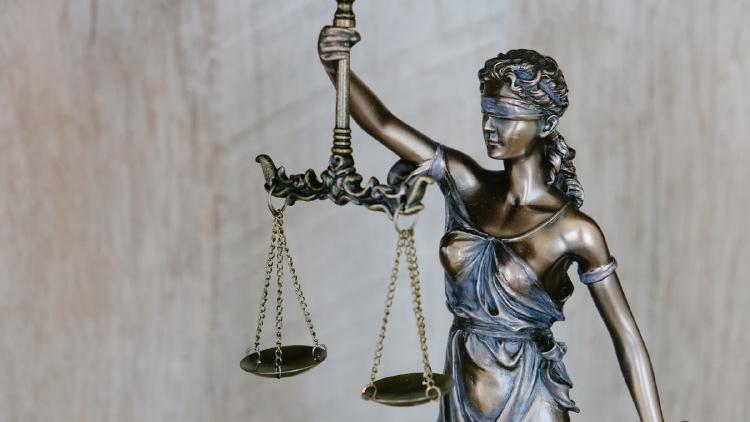
Encyclopedia Britannica and Merriam-Webster filed suit against OpenAI in a New York federal court, alleging ChatGPT copied nearly 100,000 articles and dictionary entries without a license.

Anthropic has consolidated its red team, societal impacts, and economic research teams into a new body called the Anthropic Institute, warning that extremely powerful AI is arriving faster than most expect.

Chinese authorities ordered government agencies and state-owned banks to remove or restrict OpenClaw, citing security risks from the AI agent's autonomous operation and broad data access.

The Pentagon launched Agent Designer on its GenAI.mil platform, letting 3 million Defense Department employees build custom Gemini-powered AI assistants without code.

Anthropic filed two federal lawsuits after the Pentagon labeled it a national security supply chain risk for refusing to drop AI guardrails on autonomous weapons and mass surveillance.
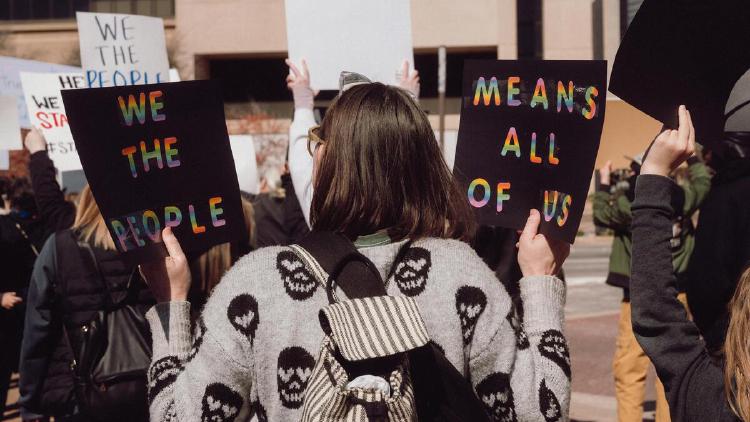
A bipartisan coalition of 40+ groups - from the AFL-CIO to the Congress of Christian Leaders - released a 34-point declaration demanding human control over AI, corporate accountability, and a ban on autonomous lethal weapons.
Oregon's SB 1546 requires chatbot operators to implement suicide safeguards, disclose AI nature to minors, and ban engagement-maximizing rewards for kids. The 28-2 Senate vote makes it the first chatbot safety bill to pass in 2026.
