

Faster Agents, Skewed Evals, and Brand Bias in LLMs
Three new papers: agents that compile runs into 8-13x faster state machines, benchmark scores that shift with compute budget, and big brands monopolizing LLM recommendations.
They summarize our coverage. We write it.
Newsletters like this one rebroadcast our headlines - often without the full review, the source reading, or the analysis underneath. Our weekly briefing sends the work they paraphrase, straight from the desk, before they get to it.
Free, weekly, no spam. One email every Tuesday. Unsubscribe anytime.
Three new papers: agents that compile runs into 8-13x faster state machines, benchmark scores that shift with compute budget, and big brands monopolizing LLM recommendations.

GPT-5.5 is OpenAI's first completely retrained base model since GPT-4.5, leading the field on agentic coding and computer use - but the doubled per-token pricing and delayed API access require careful evaluation.
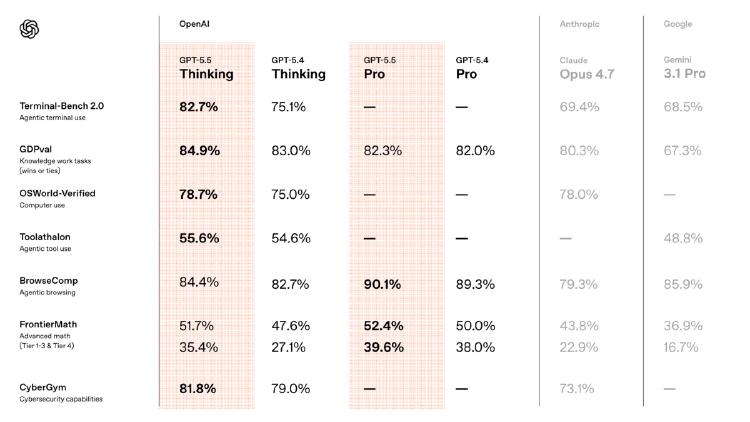
OpenAI's first fully retrained base model since GPT-4.5 ships today to ChatGPT and Codex, leading on Terminal-Bench 2.0 at 82.7% with a doubled per-token price.

OpenAI's first fully retrained base model since GPT-4.5, targeting agentic coding, computer use, and knowledge work at $5/$30 per million tokens.

Meta is installing monitoring software on U.S. employee computers to capture keystrokes, mouse movements, and screenshots for training computer-use AI agents.
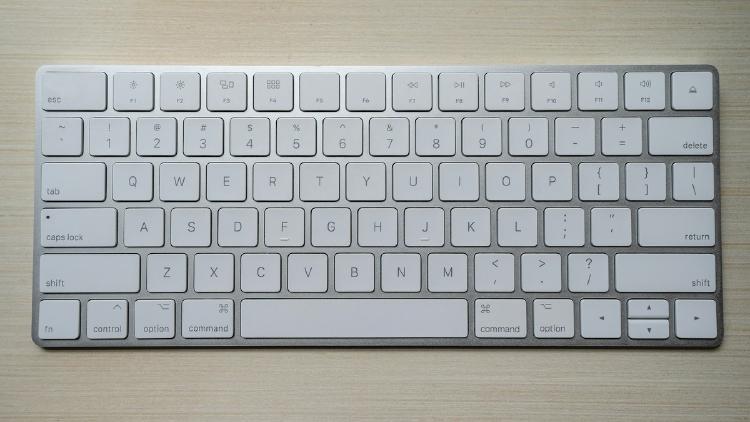
OpenAI's April 16 Codex update adds background computer use on Mac, an Atlas-based in-app browser, gpt-image-1.5 image generation, and 111 new plugins - moving the app far beyond agentic coding.

A hands-on comparison of the best AI browser agents in 2026 - Perplexity Comet, Dia, Opera Neon, Chrome Gemini, Brave Leo, Fellou, and more - rated on agentic task depth, privacy, price, and platform support.

Anthropic's mid-tier model matches Opus 4.6 on computer use, leads all models on office productivity tasks, and costs five times less than the flagship at $3/$15 per million tokens.

Rankings of the best AI models and agent frameworks on computer use benchmarks - OSWorld, OSWorld-Verified, and ScreenSpot-Pro - updated March 2026.
GPT-5.4 brings native computer use, a 1M token context window, and serious coding muscle to OpenAI's mainline model - but at a premium price.
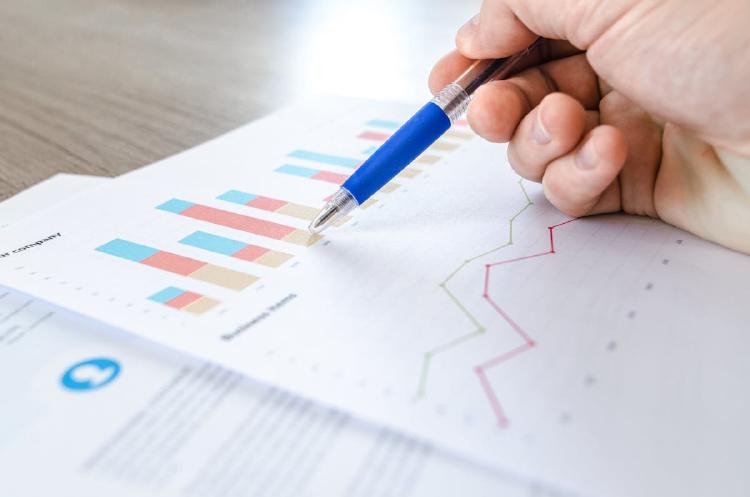
GPT-5.4 leads on computer use and enterprise productivity. Gemini 3.1 Pro leads on science reasoning and math at 20% lower cost. A benchmark-by-benchmark comparison.
GPT-5.4 leads on computer use and enterprise productivity at half the price. Claude Opus 4.6 leads on coding, agent teams, and long-context retrieval. Here is where each model wins.
