

AMD Locks Up 2.5 GW of Compute From an Ex-Bitcoin Miner
AMD signed a 15-year, $14B+ infrastructure deal with Core Scientific for 500+ MW of AI data center capacity, with an option to scale to 2.5 GW - its third major hosting deal in five months.
They summarize our coverage. We write it.
Newsletters like this one rebroadcast our headlines - often without the full review, the source reading, or the analysis underneath. Our weekly briefing sends the work they paraphrase, straight from the desk, before they get to it.
Free, weekly, no spam. One email every Tuesday. Unsubscribe anytime.
AMD signed a 15-year, $14B+ infrastructure deal with Core Scientific for 500+ MW of AI data center capacity, with an option to scale to 2.5 GW - its third major hosting deal in five months.

Lunar Outpost and Firefly Aerospace will fly Nvidia Jetson modules on a lunar rover and orbiter this year, the first GPUs to run on and around the Moon.
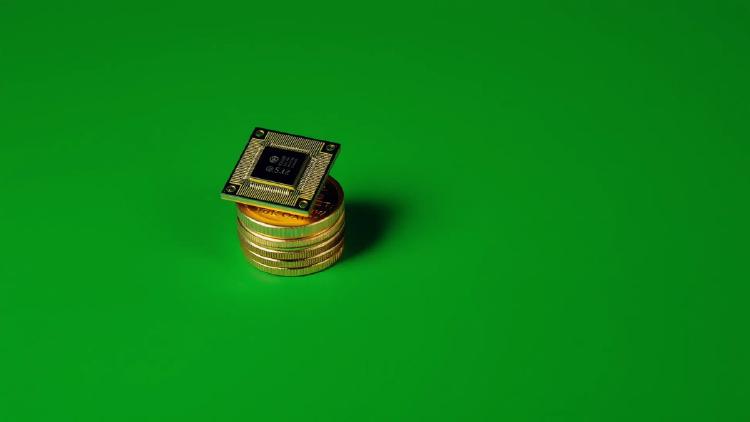
Etched raised $300M at a $10.3B valuation, doubling its price tag in seven months, even though its transformer-only Sohu chip has yet to ship in volume.
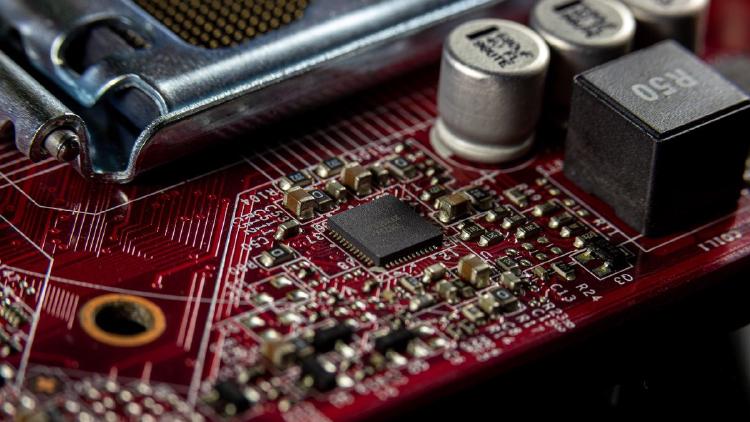
Google is reportedly building a chip line separate from its TPUs that hardwires parts of Gemini directly into silicon, promising up to 10x efficiency as a capacity crunch forces Cloud to turn away customers.

SK Group Chairman Chey Tae-won says customers want 60-100% more AI memory in 2027 than in 2026, and warns governments are starting to treat chip access as a matter of economic security.

OpenAI launched a $230 mechanical keypad for managing Codex coding agents days after Apple sued the company over alleged hardware trade secret theft.

Apple filed suit against OpenAI on July 10, alleging a coordinated scheme to steal iPhone trade secrets through recruiting tactics and unauthorized file downloads.
A Reuters-obtained internal memo reveals Meta will start manufacturing its Iris chip in September, targeting 14 GW of computing capacity by 2027 while cutting NVIDIA and AMD dependency.

ZML's LLMD inference server runs Llama, Qwen, and Mistral on Nvidia, AMD, TPU, Apple Metal, and Intel Arc from a single binary - for free.

SK Hynix's $28B Nasdaq IPO prices Thursday, putting the dominant supplier of AI high-bandwidth memory in reach of US investors for the first time.

DeepSeek is developing its own inference chip, confirmed by Reuters sources - the first semiconductor project in the lab's history, driven by US export controls that cut off China from Nvidia hardware and HBM memory.

Anthropic's Claude models are now generally available in Microsoft Foundry on Azure, running on NVIDIA GB300 Blackwell Ultra NVL72 racks - with vendor numbers claiming 40% faster token generation than H100.
